
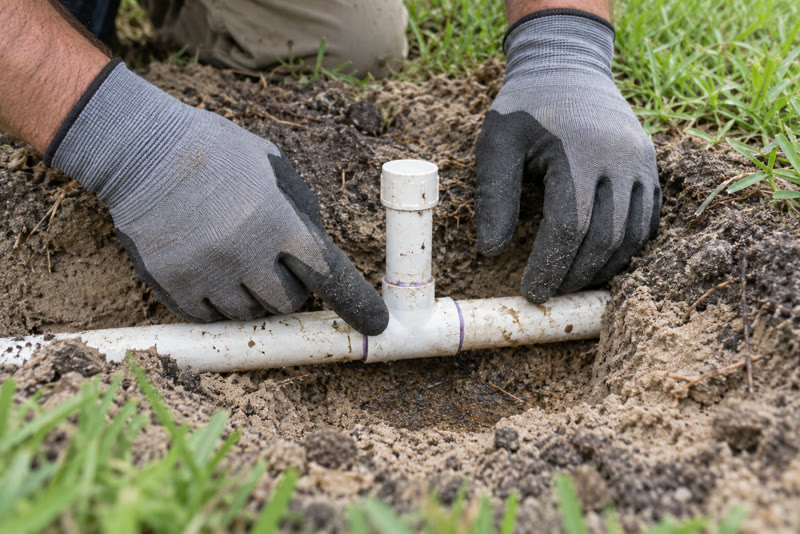
Describe the zone and the time between cycles
Use the existing zone label and ordinary watering record to describe where pooling or changed sprinkler performance occurs. A wet patch between cycles warrants attention without proving a buried break. A damaged head or joint and a valve continuing to pass water are different possible findings.
Do not dig, open unfamiliar valve equipment or run extra cycles to manufacture a test. Safe observations and the actual controller schedule are useful starting information. Where a landscape contact controls settings, obtain the record with permission rather than assuming the resident’s recollection describes every programmed cycle.
Name the documented supply
Collier County lists potable, private-well and reuse arrangements as possible irrigation sources. Confirm the actual property system; the neighborhood does not identify it. A household meter may not represent a separately supplied irrigation circuit.
If increased water use is the only clue, keep intended watering, indoor use and pool refill separate. The pool leak guide addresses another outdoor system. A schedule change can explain use without establishing that all irrigation components are sound.
Let the component finding choose the work
Ask whether assessment identifies a head, connection, zone valve or line and how that finding explains the reported pattern. Low pressure at some sprinklers and a wet patch should remain separate observations until connected by evidence. A line replacement needs more than a controller label or nearby puddle.
- Identify the supply and affected zone in the proposal.
- Name the confirmed component and untested parts.
- Clarify permission for controller access or interruption.
- Separate pump, backflow or redesign work from the accepted leak scope.
Plan access without guessing a buried route
Existing site records can distinguish several nearby systems without exposing pipes. Ask how utility information and private-line questions are addressed before excavation. A garden line beside a house supply should not be selected merely because it is closer to the wet patch.
The written scope should separate locating, component repair and reinstating disturbed planting or paving. For Golden Gate Estates, supply the actual source records. If the implicated pipe feeds the residence instead, compare main water line repair.
Questions before you call
Why can water continue when no cycle is scheduled?
A valve may not close fully, or another source may be involved. Ask what distinguishes continued flow from water already on the surface before choosing a repair.
Does a higher bill prove an irrigation leak?
Only usage on the metered arrangement contributes to that record. Intended watering, pool refill and indoor consumption need separate context before attributing the increase.
What if landscape work preceded the wet patch?
Record the work date and zone as useful leads. A new planting alone does not identify line damage; request the component finding behind any excavation recommendation.